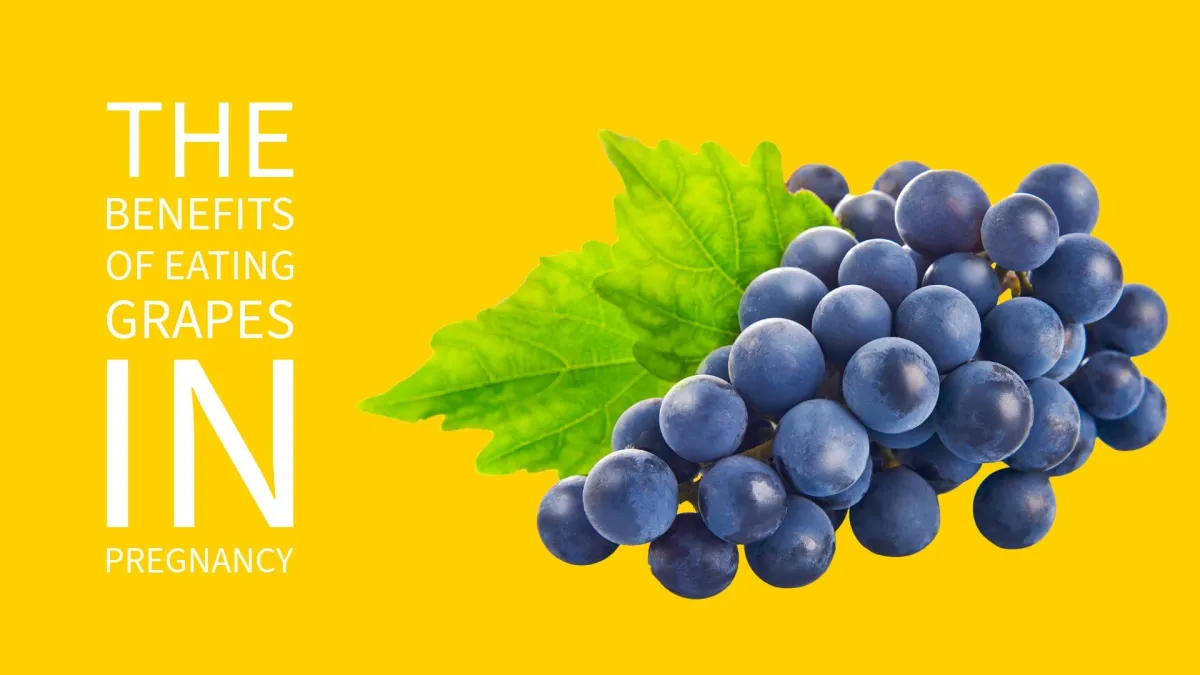
Benefits of

Grapes can be a healthy and delicious addition to a pregnancy diet when eaten in moderation. They provide a wide range of nutrients that support both maternal and fetal health. Here are the main benefits of grapes during pregnancy:
🍇1. Rich in Essential Nutrients
Grapes contain important vitamins and minerals such as:
Vitamin C– supports immune function and helps in iron absorption.
Vitamin K– important for blood clotting and bone health.
Folate (B9)– essential for fetal brain and spinal cord development.
Potassium and magnesium– help regulate blood pressure and muscle function.
💧2. Hydration Support
Grapes have ahigh water content (around 80%), helping to prevent dehydration — a common concern during pregnancy, especially in hot weather or early stages with morning sickness.
❤️3. Antioxidant Protection
Grapes are rich in antioxidants such asresveratrol, flavonoids, and tannins, which help:
Reduce oxidative stress.
Protect cells from damage.
Support heart and blood vessel health.
These antioxidants may also contribute tobetter placental function.
🧠4. Supports Baby’s Development
The nutrients in grapes (like folate and polyphenols) are important for:
Neural tube formationin early pregnancy.
Brain and vision development(thanks to vitamin B6 and antioxidants).
🩸5. Improves Circulation
The natural compounds in grapes help improveblood circulation, which supports oxygen and nutrient delivery to the baby and reduces risks of swelling or leg cramps.
🍽️6. Aids Digestion
Grapes providedietary fiber, which helps:
Prevent constipation (a common pregnancy symptom).
Support gut health and digestion.
⚠️Precautions
While grapes are healthy, here are a few things to keep in mind:
Wash thoroughlyto remove pesticide residues.
Eat in moderation, especially if you havegestational diabetes, since grapes contain natural sugars.
Avoidfermented or overripe grapes(and grape wine), as alcohol is unsafe during pregnancy.
✅Recommended Amount
A moderate serving of about1 cup (150–200 grams)of fresh grapes a few times per week is generally safe and nutritious for most pregnant women.